

Most events are not managed strategically.
Turn event spend into measurable strategic value.
Whether you're a procurement lead managing fragmented event spend, a marketing director struggling to prove event ROI, a CFO questioning why events cost so much, or C-suite leadership sensing your event programme lacks strategic direction, this is for you.
Common Challenges & Solutions
Example 1
Challenge: Fragmented programme management
Different departments run different events and there's no unified framework. No one knows what success looks like across the whole programme.
What this means: You're spending millions but have no clear picture of what value it's actually delivering.
How we approach it: Create a unified strategic meetings management framework that aligns objectives, stakeholders, and measurement across your entire event programme.
Example 3
Challenge: Unmeasured value delivery
You run events. People attend but do attendees actually get value? Do sponsors get ROI? Does your business achieve its objectives? You probably don't know.
What this means: You can't justify the spend or improve what you're doing.
How we approach it: Build measurement frameworks that prove value to attendees, sponsors, speakers, and your business, and identify where it's missing.
Example 2
Challenge: Supply chain inefficiency
Your vendor relationships are reactive, not strategic. Procurement is transactional. You're paying for execution, not value.
What this means: You're leaving margin on the table and missing opportunities to optimise the entire ecosystem.
How we approach it: Assess and restructure your supply chain so vendors are aligned to programme objectives, not just fulfilling orders.
Example 4
Challenge: Stakeholder misalignment
Attendees want one thing and sponsors want another. Your business wants ROI. Everyone's definition of "success" is different.
What this means: Events fail to deliver because nobody agreed on what success looked like in the first place.
How we approach it: Align stakeholders around clear, measurable outcomes before design begins.

…And Why This Matters
The Shift…
When events are purchased strategically before they happen —not evaluated only afterwards — everything changes.
Alignment happens earlier. Outcomes are clearer. Budget is used more effectively. But this requires a different approach.
Many corporate event programmes are still managed tactically and reactively, with fragmented stakeholder objectives. Digital transformation and generational shifts are changing what attendees expect, how they engage, and what creates value. Programmes that adapt will capture new opportunity, whereas programmes that don't will become increasingly expensive and ineffective.
Value implications:
Strategic alignment creates measurable ROI where none existed before
Unified frameworks reduce waste and optimise spend
Clear stakeholder alignment increases adoption and event effectiveness
Measurement reveals which events deliver, enabling reallocation of resources
What We Do
Strategic Meetings Management Framework
Build a unified programme strategy that aligns all stakeholders around clear outcomes
Assessment of current event portfolio against strategic objectives
Unified framework defining success across attendees, sponsors, speakers, and business
Stakeholder alignment workshops ensuring everyone knows what they're solving for
Supply Chain Optimisation
Restructure vendor relationships to support strategic objectives, not just execution
Vendor assessment and strategic partner identification
Procurement model redesign aligned to programme objectives
Partnership frameworks that generate value beyond transaction fees
Measurement & ROI Framework
Prove what value your events actually deliver
Outcome measurement design for each stakeholder group
ROI frameworks that show business impact, not just attendance metrics
Reporting dashboard that tracks programme health and identifies opportunities
Typical Engagements
Strategic assessment (4-10 weeks)
Fractional Head of Events Strategy (ongoing, 1-2 days/month)
Targeted programme support
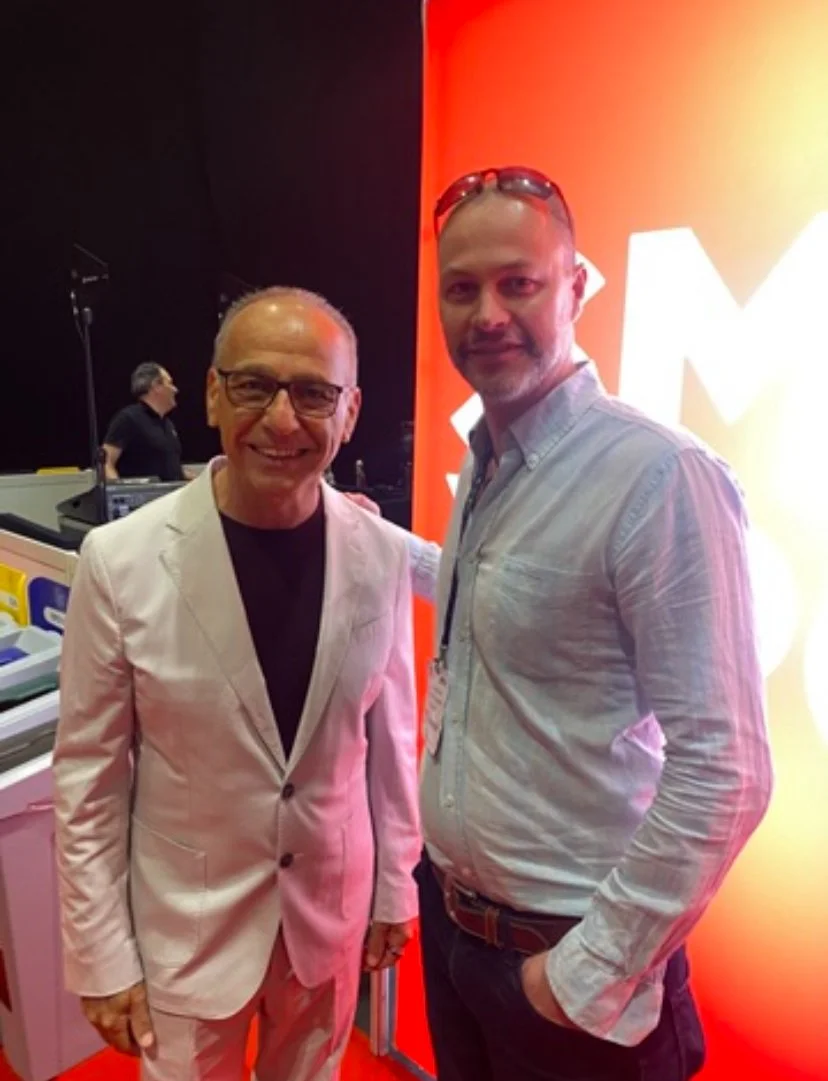
About Alan
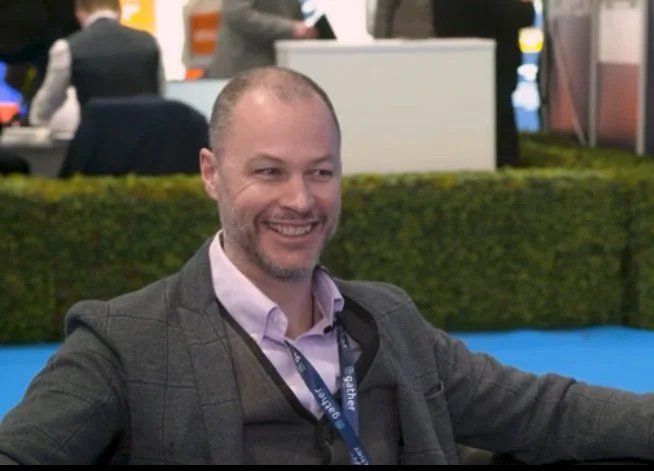
25 years across agencies, hotels, tech
14 years as buyer — managed £70M-£250M annual meetings & events spend
Deep experience designing and leading strategic meetings programmes across pharma, finance, automotive, professional services
Served on industry boards at HBAA (now Beam) and Eventia (now Evcom)
I was an early pioneer of strategic meetings management in 2001 and I've managed hundreds of corporate events. I know what works and what doesn't.
Let's assess where you stand and what's possible