

The agency model as it existed is no longer viable.
AI and generational shifts are rewriting the rules.
Whether you're a mid-market agency feeling margin pressure, a specialist agency wondering how to differentiate, leadership sensing the market has structurally shifted, or an agency owner exploring new commercial models, this is for you.
Common Challenges & Solutions
Example 1
Challenge: Margin erosion
Traditional commission structures no longer support the work you're actually doing. Clients expect strategic value but still want to pay transactional rates. Your margin is disappearing.
What this means: The old commercial model is broken. You can't sustain your business charging the same way.
How we approach it: Build new commercial models that charge for strategic value and which work are sustainable.
Example 3
Challenge: Supplier relationships aren't generating revenue
You manage massive supplier networks, but most relationships are purely transactional. You're not capturing the strategic or commercial value they could provide.
What this means: Your supplier network is a cost centre rather than a revenue driver.
How we approach it: Turn supplier partnerships into revenue streams. Co-develop services that solve emerging client problems. Build commercial models around strategic supplier relationships.
Example 2
Challenge: AI commoditisation
AI is automating transactional work, such as venue sourcing, schedule building, basic logistics. The work that used to justify your fee is now table stakes.
What this means: If your value proposition is built on execution efficiency, you're competing with software.
How we approach it: Reposition from execution provider to strategic partner. Identify what clients will actually pay for in an AI-driven market.
Example 4
Challenge: Unclear differentiation
Your clients see you as interchangeable with other agencies. Your pitch sounds like everyone else's. You're competing on price rather than value.
What this means: Without clear differentiation, you'll keep losing to cheaper providers or clients bringing work in-house.
How we approach it: Define what you're actually best at. Build positioning that captures where you create unique value. Align your commercial model to that differentiation.

The Shift…
The problem isn't operational efficiency. It's value perception.
What are agencies actually worth beyond commission? If technology can do the transactional work, what's left?
These are the questions that separate surviving agencies from thriving ones.
The events industry is being reshaped by two forces: generational expectations and AI capabilities. Clients want different outcomes, and the work that used to be valuable is now automated. Agencies that adapt their proposition, commercial model and client relationships will be better placed to protect margin and build sustainable growth.
Revenue implications:
Strategic advisory work becomes more valuable (clients will pay for it)
Transactional execution becomes less valuable (AI does it cheaper)
Supplier partnerships that solve client problems become revenue generators
Undifferentiated agencies become commoditised
…And Why This Matters
What We Do
Commercial Model Redesign
Build revenue models that charge for strategic value
Clear assessment of which parts of your business are sustainable
New commercial models aligned to the work clients will pay for
Supplier partnerships structured to generate revenue, not just commission
Strategic Repositioning
Move from transaction provider to strategic partner
Positioning that differentiates you from commoditised competitors
Service offerings aligned to what AI can't replicate
Client engagement model that captures strategic value
Supplier Partnership Strategy
Turn your supplier network into a revenue driver
Identification of which suppliers can become strategic partners
Co-development of services that solve emerging client problems
Commercial frameworks that generate margin beyond transaction fees
Typical Engagements
Strategic review (6-8 weeks)
Fractional Chief Strategy Officer (ongoing, 2-3 days/month)
Board advisory / NED role (ongoing, strategic counsel)
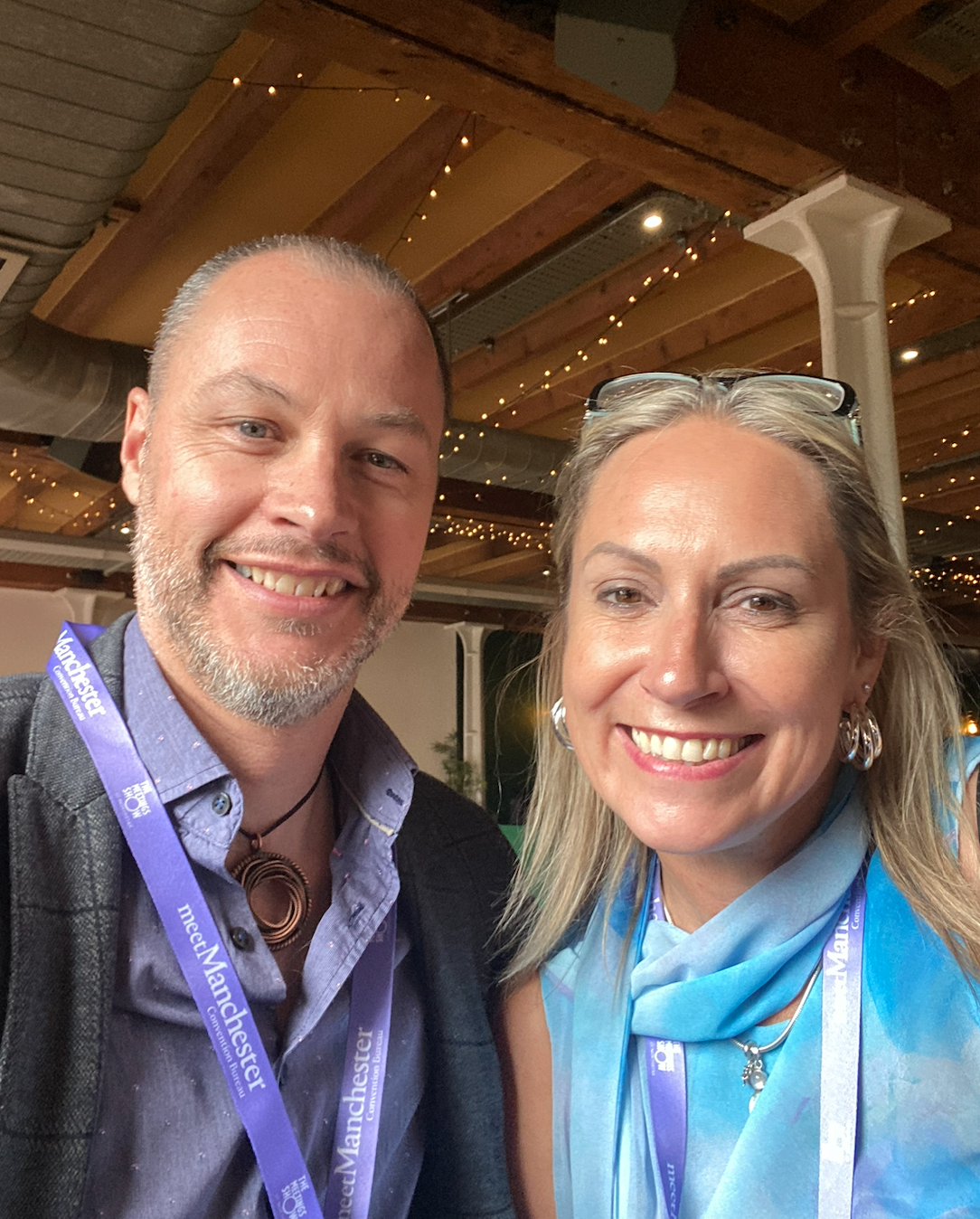
About Alan

25 years in agencies, hotels / hospitality, and tech
14 years inside agencies (Zibrant, Grass Roots Eventcom) managing £70M-£250M annual spend
11 years as founder/operator — event technologies
Served on event & communications industry boards at HBAA (now Beam) and Eventia (now Evcom)
I've been inside the agency and around the board table with agency owners. I understand the commercial pressures, leadership choices and structural blind spots that agency owners need to address.
Let’s figure out your path forward